Effective Communication Series #2: Empowering Through Leadership
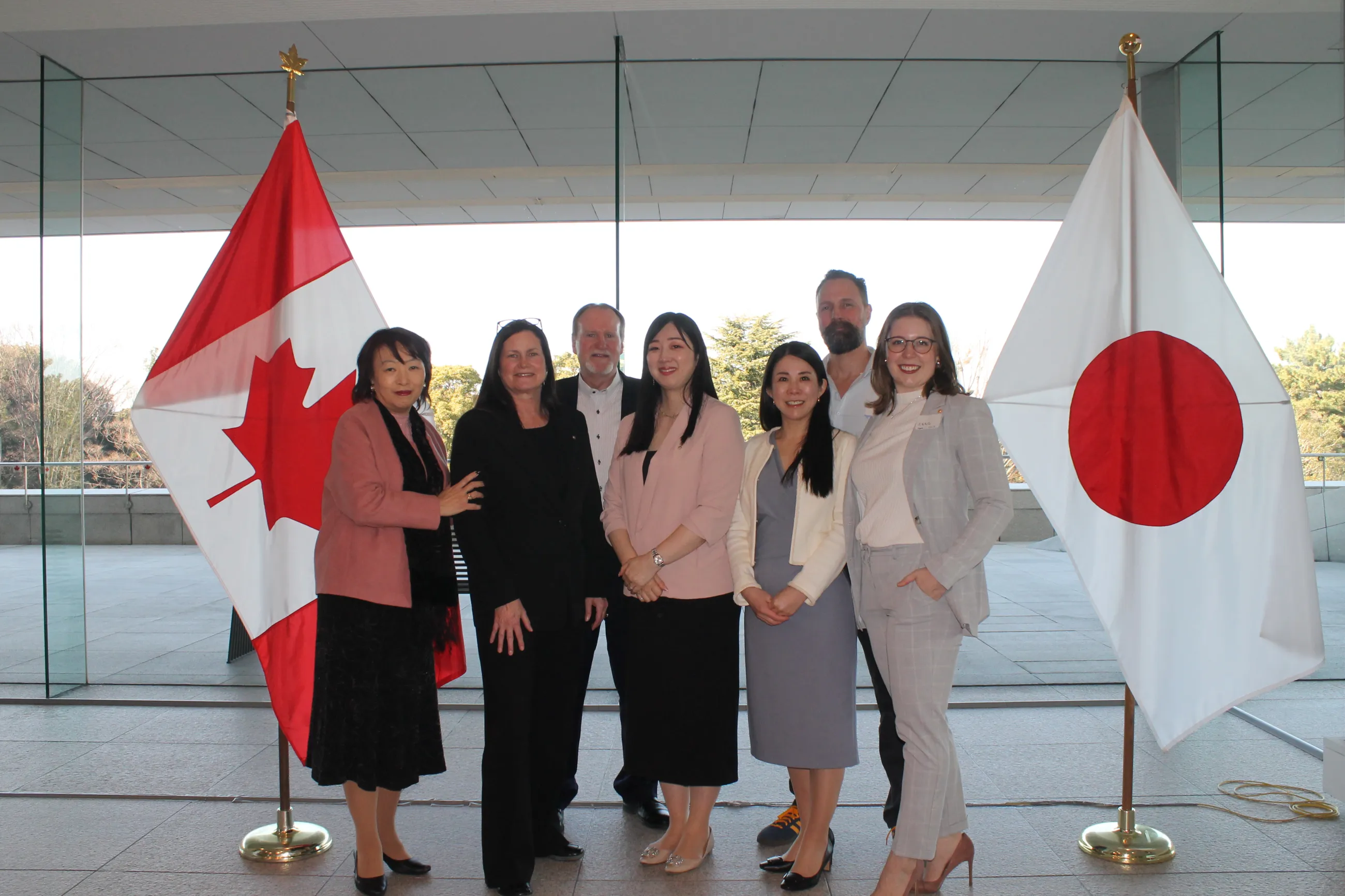
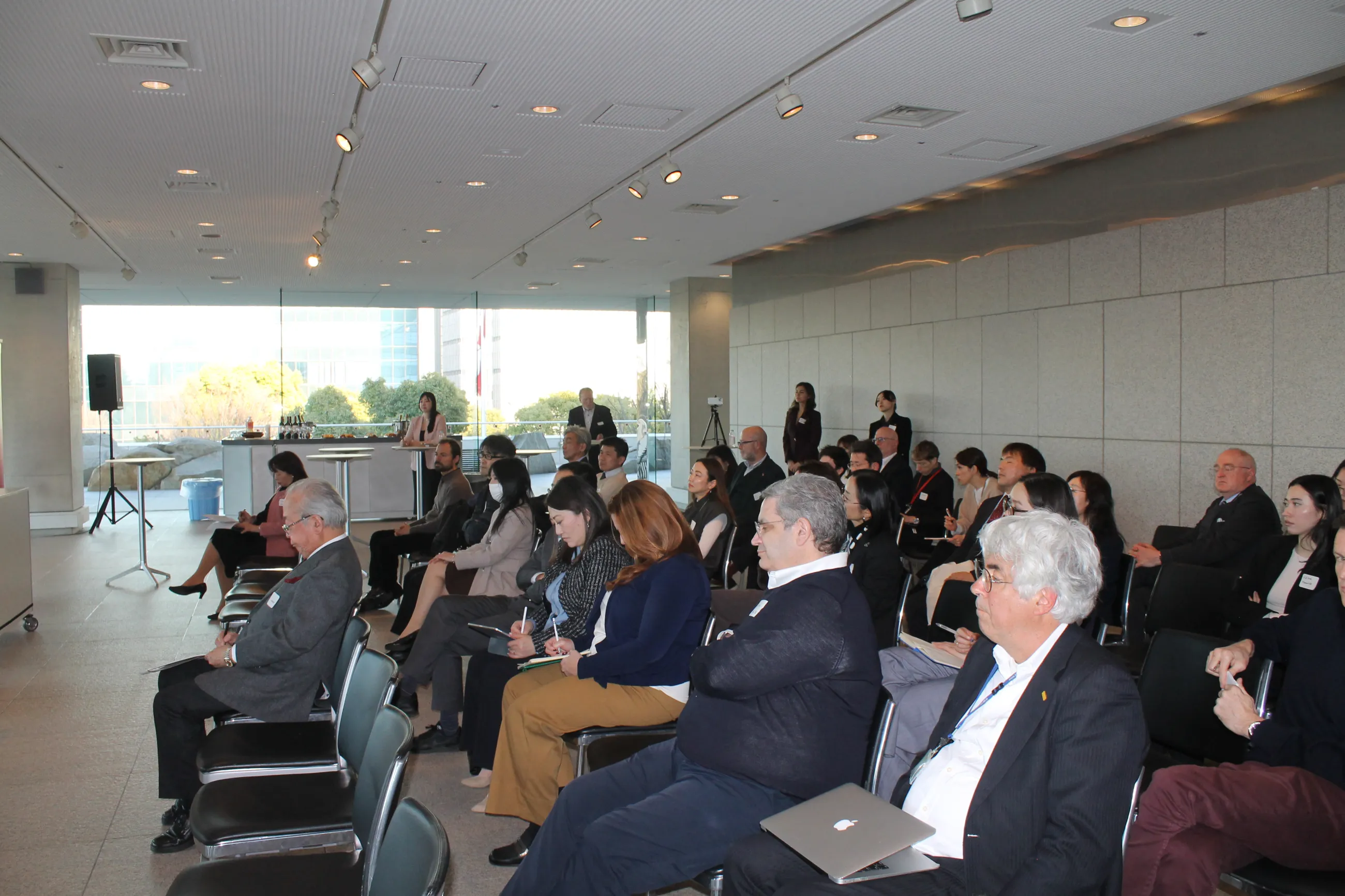
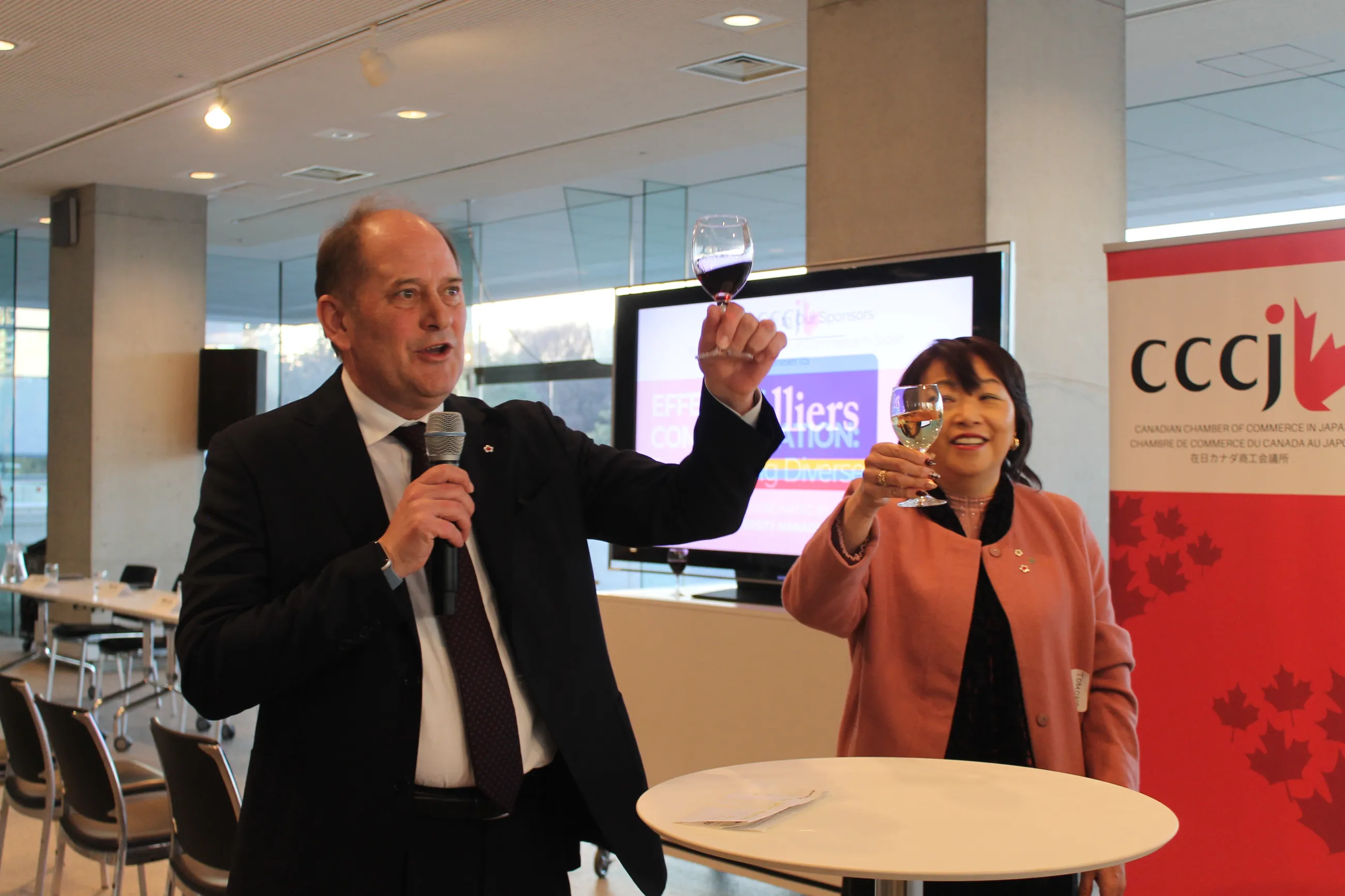
“Leaders cast a very big shadow.” With that powerful observation, the CCCJ Global Diversity Management Committee’s second Effective Communication Series event set the tone for an engaging and thought-provoking discussion at the Embassy of Canada.
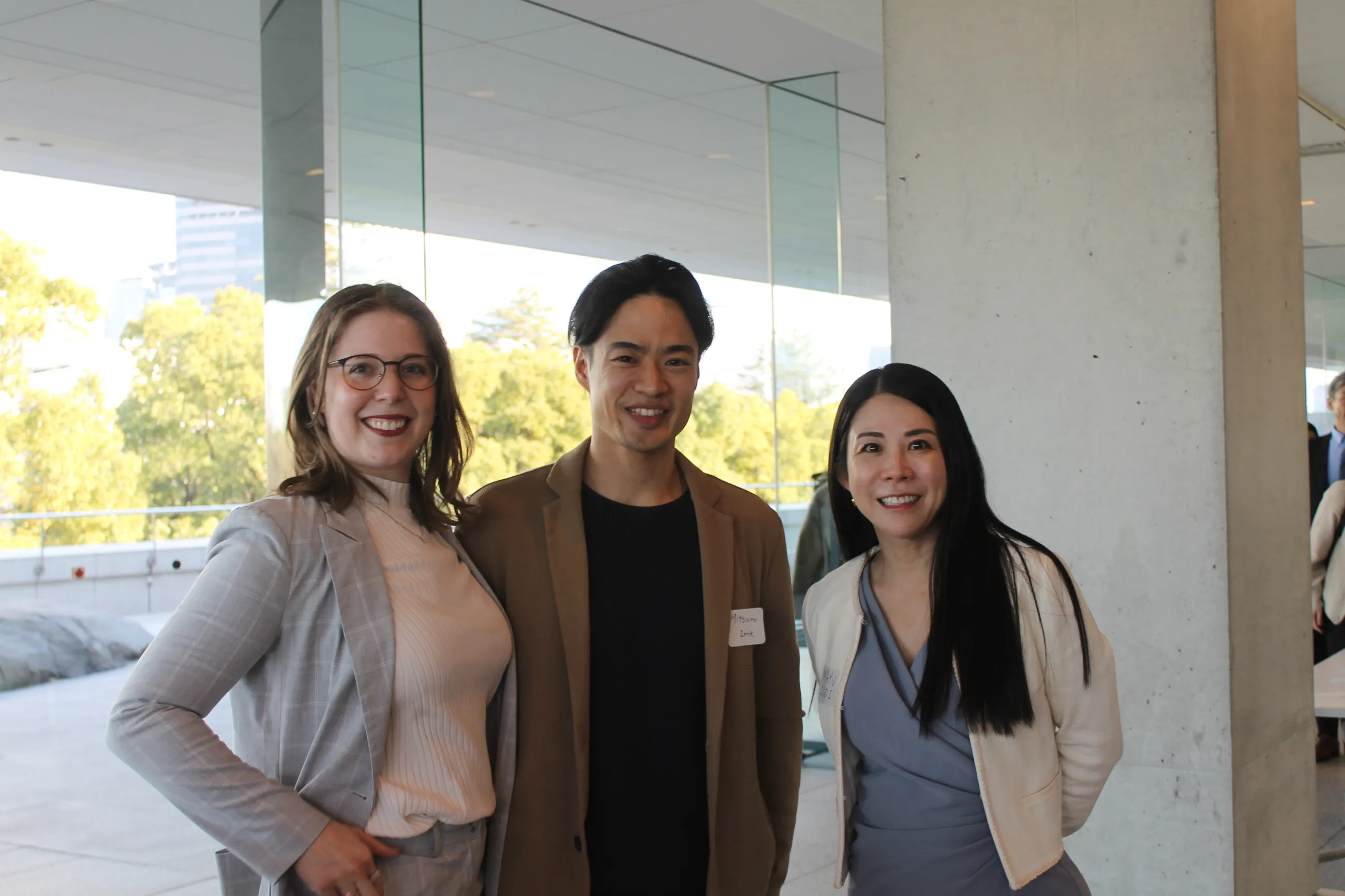
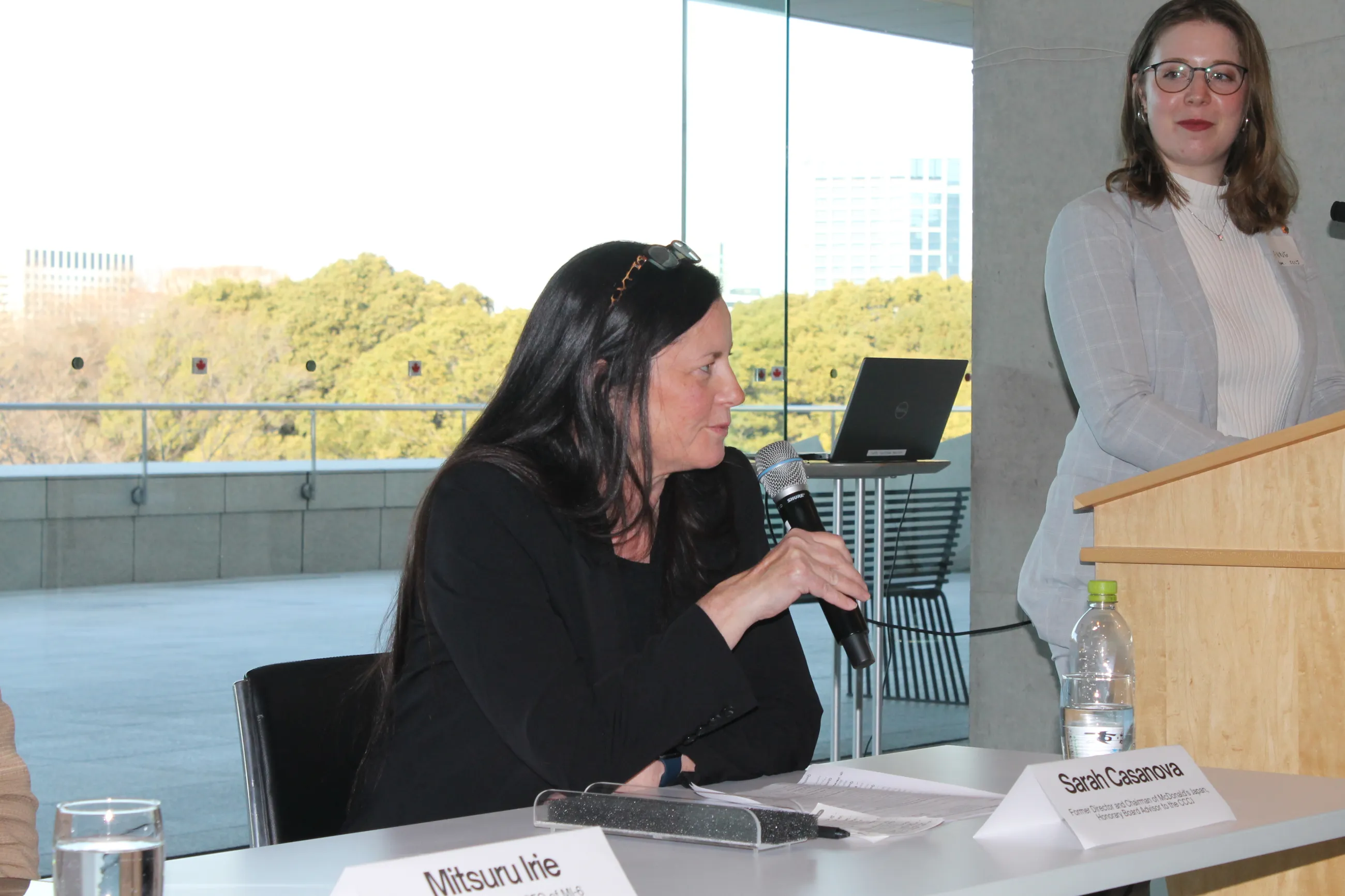
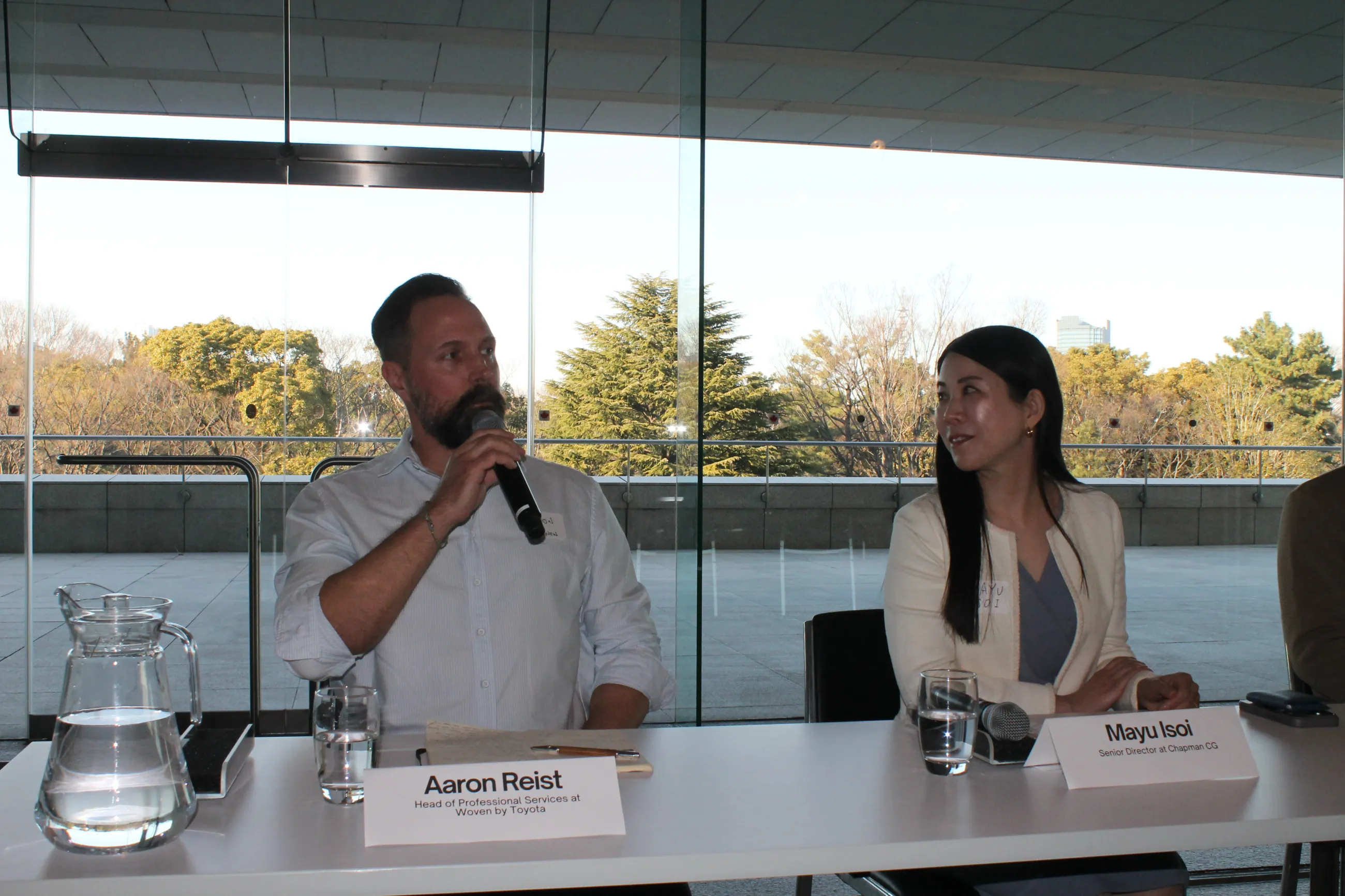
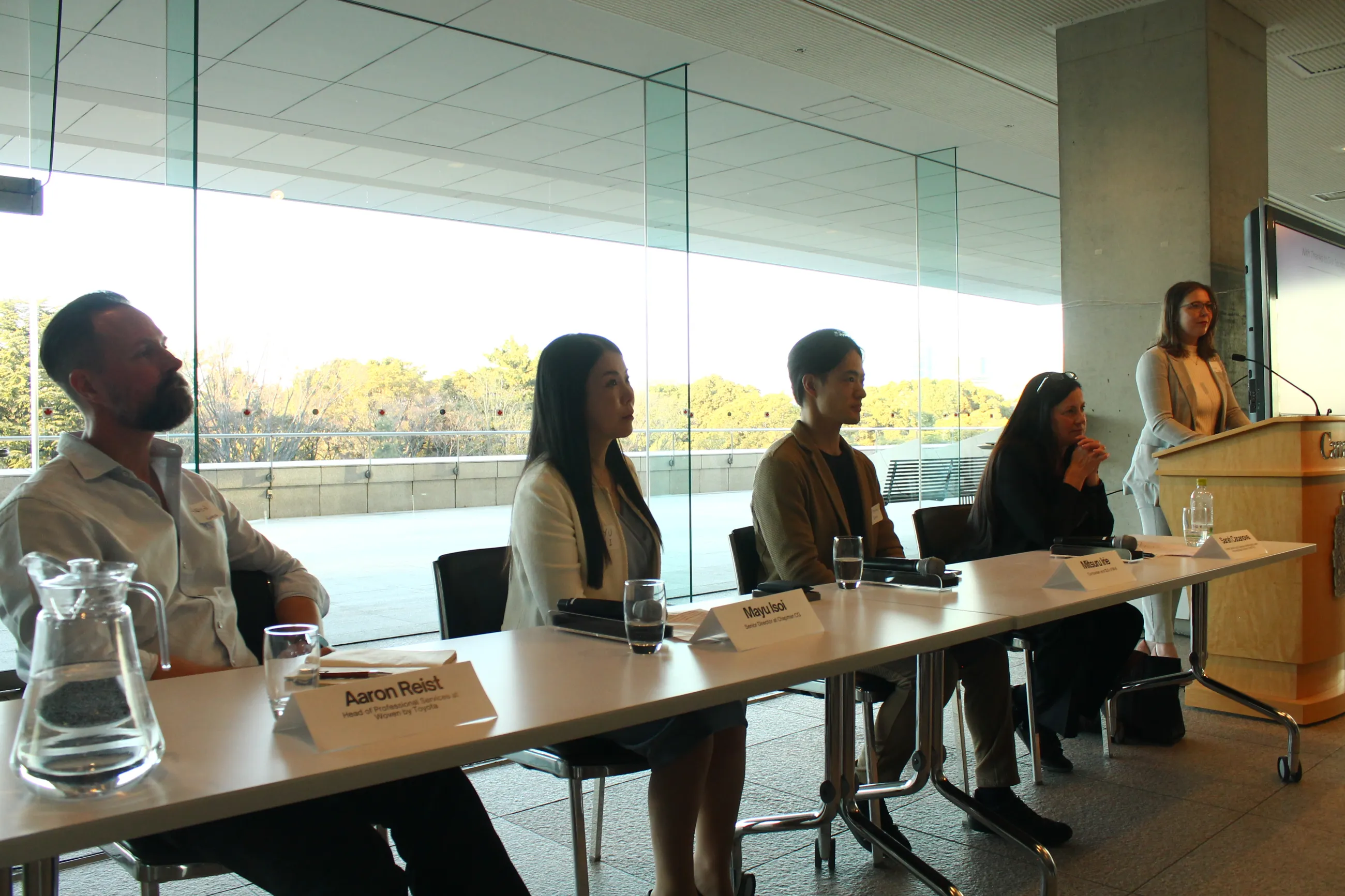
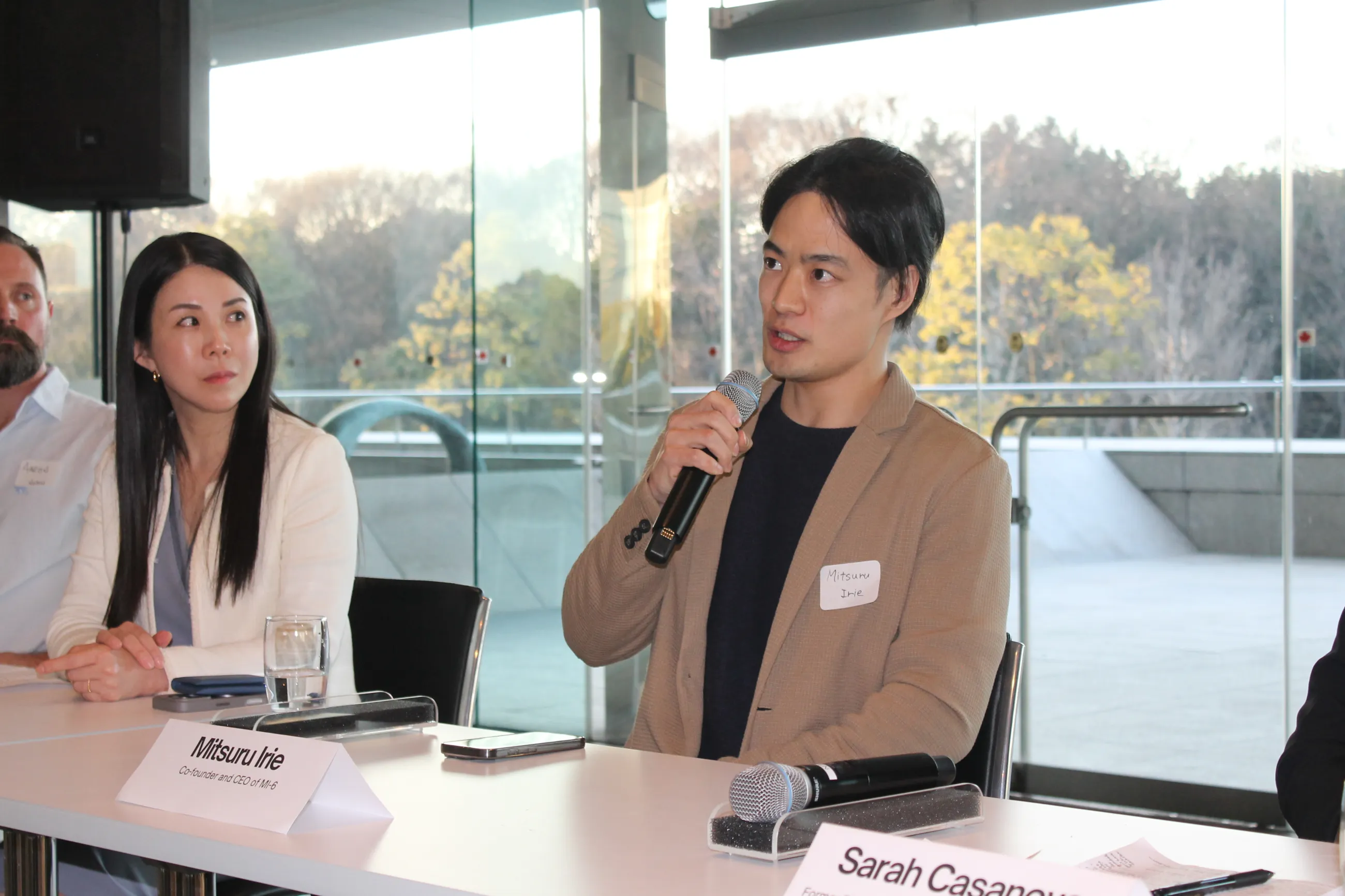
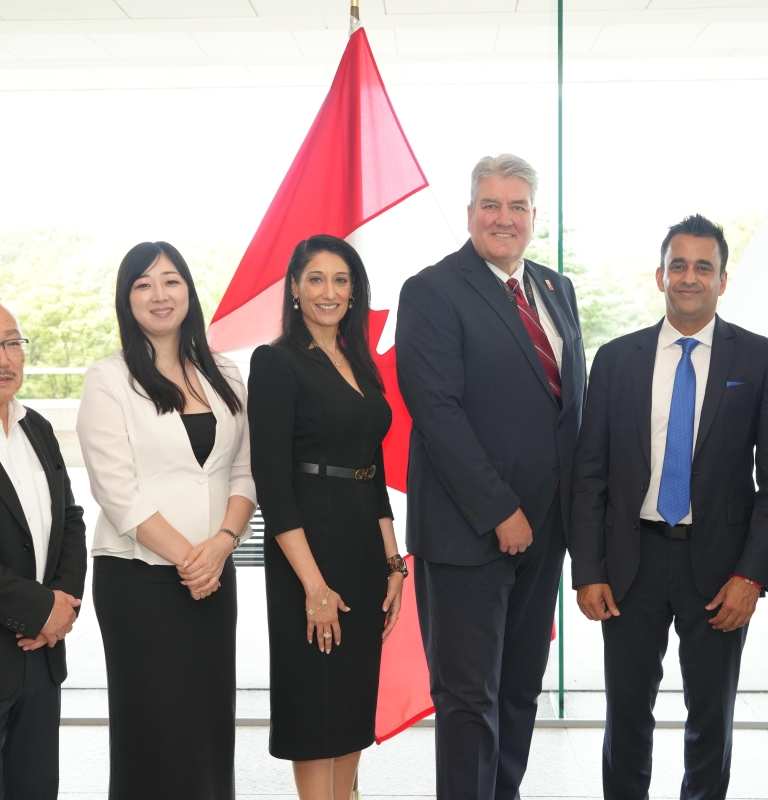
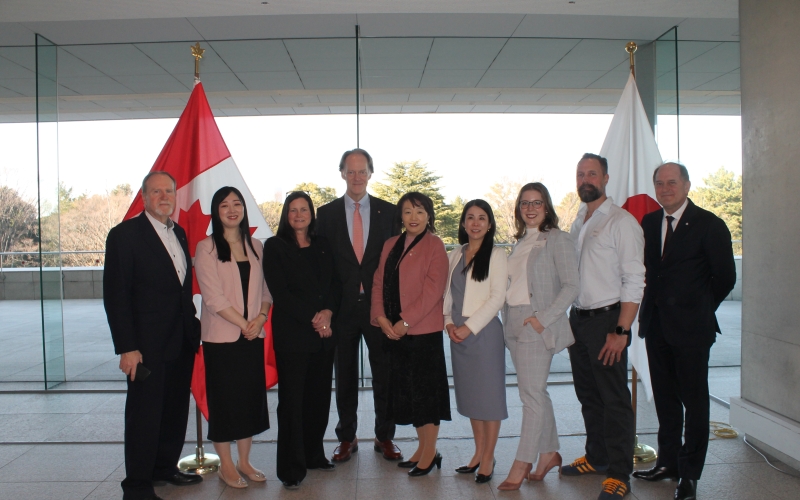
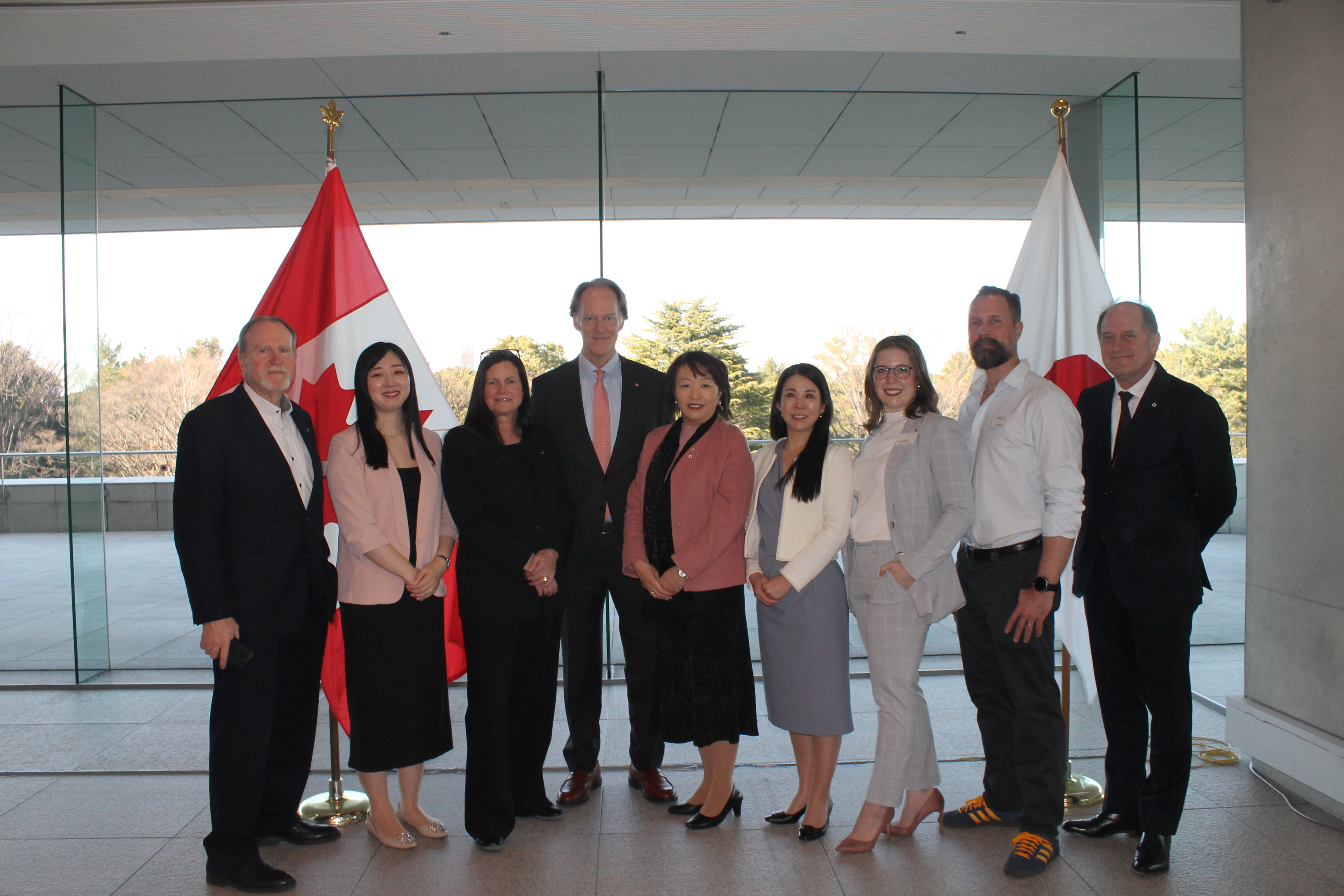
The panel brought together four distinguished leaders from across industries: Sarah Casanova, former Director and Chair of McDonald’s Japan and Honorary Board Advisor to the CCCJ; Mitsuru Irie, Co-founder & CEO of MI-6 Ltd.; Aaron Reist, Head of Professional Services at Woven by Toyota; and Mayu Isoi, Senior Director at Chapman CG. Drawing from experiences in global corporations, startups, and cross-cultural teams, they explored what leadership empowerment looks like in practice.
Sarah Casanova, gave voice to the event’s defining theme. “Leaders cast a very big shadow,” she noted. What leaders tolerate, reward, or ignore becomes silent guidance for everyone else. In diverse teams, that shadow determines whether people feel safe to contribute—or decide it is better to remain silent. Sarah reflected on leading during one of the most difficult periods in McDonald’s Japan’s history. She emphasized that empowerment is not automatic, even with talented people. Teams often hesitate not because they lack ideas, but because the environment signals caution. In one pivotal moment, she realized that Japanese team members were holding back simply because switching languages disrupted meetings. The solution, introducing translation tools from the start, was straightforward, but the signal it sent was powerful. Leadership had acknowledged a barrier and removed it. She further emphasized that an essential attribute of effective leadership is being ‘“a true leader” rather than merely “a boss”, and observed that leaders should seek to earn “respect” rather than simply aim to be “liked”.
Mitsuru Irie approached the idea from a different angle. He noted that empowerment is often constrained by “invisible rules” people carry from previous organizations. Teams may self-censor with phrases like “we can’t do that” or “that’s not how it’s done.” Leaders, he argued, play a critical role in either reinforcing those limits or challenging them. When leaders encourage problem-solving over compliance, teams begin to shift from hesitation to ownership. He also pointed out that digital work environments can help reduce biases related to gender and appearance, allowing ideas to be judged more on their substance and creating fairer conditions for participation.
The shadow of leadership was also evident in Aaron Reist’s experience building global teams during the COVID-19 pandemic. With hardware industry stakeholders questioning the value of software-driven solutions he moved away from abstract explanations and set a simple, tangible objective. Shifting his communication style to match key stakeholders’ perspective benefited his teams across regions who rallied around concrete objectives and a shared purpose. The outcome was transformational: not only making progress, but also developing self-driven, confident members and engaged stakeholders - clear proof that leadership can empower people.
Mayu Isoi reflected on how leadership presence influences who speaks in meetings. Early on, she noticed the same voices dominating discussions while others shared valuable insights only afterward. Rather than pushing for more participation, she adjusted her own behavior: sharing agendas in advance, inviting quieter voices first, and holding back her opinions. Those small shifts changed the space her team operated in. As the shadow changed, so did engagement.
Across industries and cultures, panelists returned to the same conclusion: empowerment is not a program or policy. It is the cumulative effect of everyday leadership behavior. Teams watch closely. They notice what is rewarded, what is ignored, and what feels safe.
Ultimately, leadership is not about standing in the spotlight, but about the shadow you leave behind and how it inspires others to rise.
The conversation will continue in the third session of the Effective Communication Series. We invite members and guests to stay tuned for upcoming details and to follow CCCJ on LinkedIn for event announcements and updates. You can also learn more about the Global Diversity Management Committee and its initiatives on the CCCJ website.
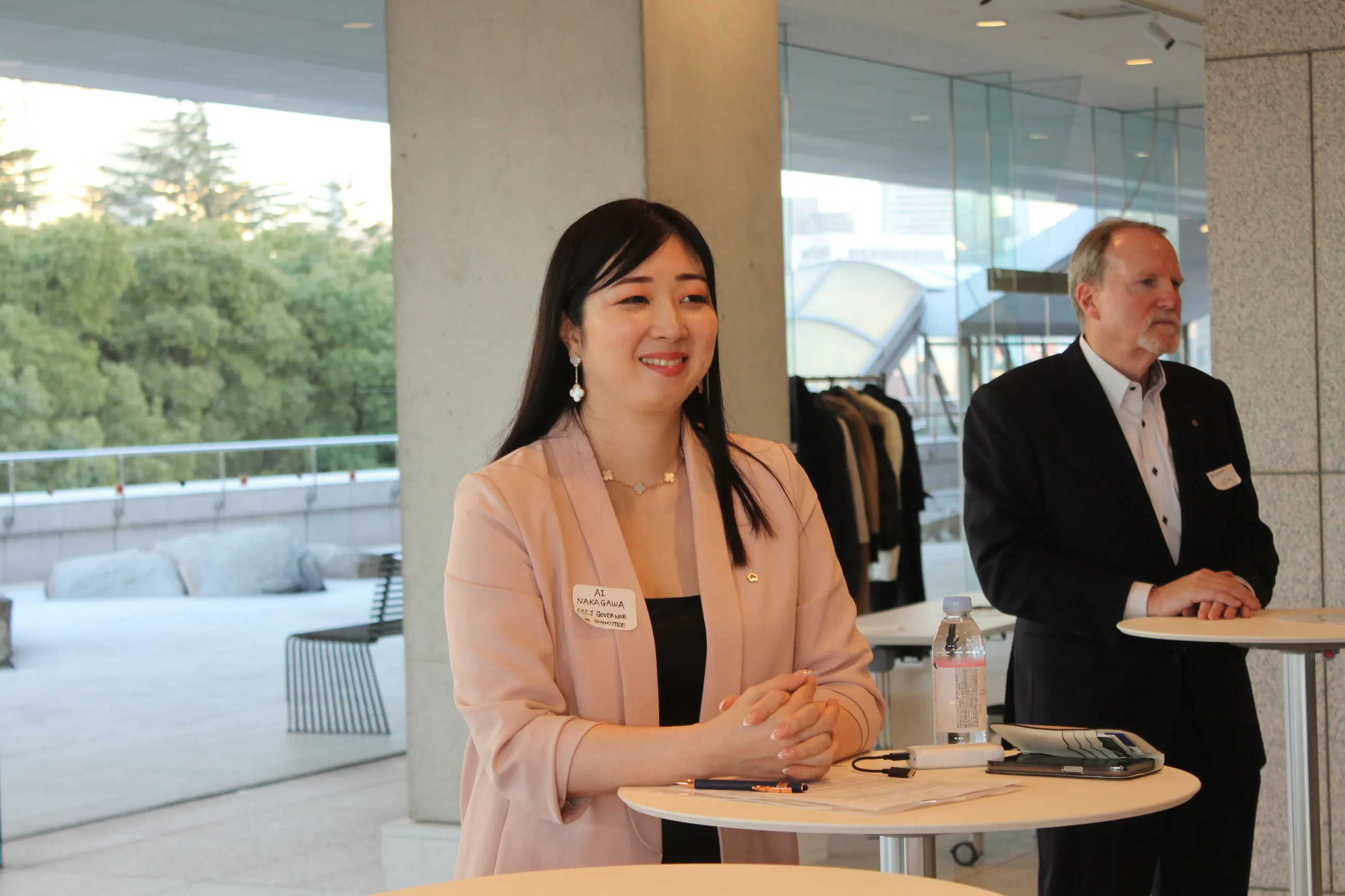
The CCCJ Global Diversity Management (GDM) Committee is chaired by Tomoko Ebine and supported by Andréanne Parent, Ai Nakagawa, and Warren Arbuckle. The committee brings together leaders committed to advancing inclusive leadership, cross-cultural communication, and stronger organizational practices across Japan’s business community.
Gallery